No Tables Required: The Asian American Food Founders Building Empires Without a Dining Room
For decades, the restaurant was the assumed entry point. You wanted to share your grandmother's pho recipe with the world? You opened a restaurant. You wanted Americans to fall in love with your mom's hand-rolled dumplings? You found a storefront, signed a lease, and hoped the margins held.
That model built communities, fed neighborhoods, and gave generations of Asian immigrant families a foothold in the American economy. It also chewed through savings, demanded brutal hours, and left founders dangerously exposed to everything from rent hikes to pandemics.
Something has shifted. A new generation of Asian American food entrepreneurs is building serious businesses—sometimes multimillion-dollar ones—without a single dining table. And the paths they're taking are as varied as the cuisines they're championing.
The DTC Pivot
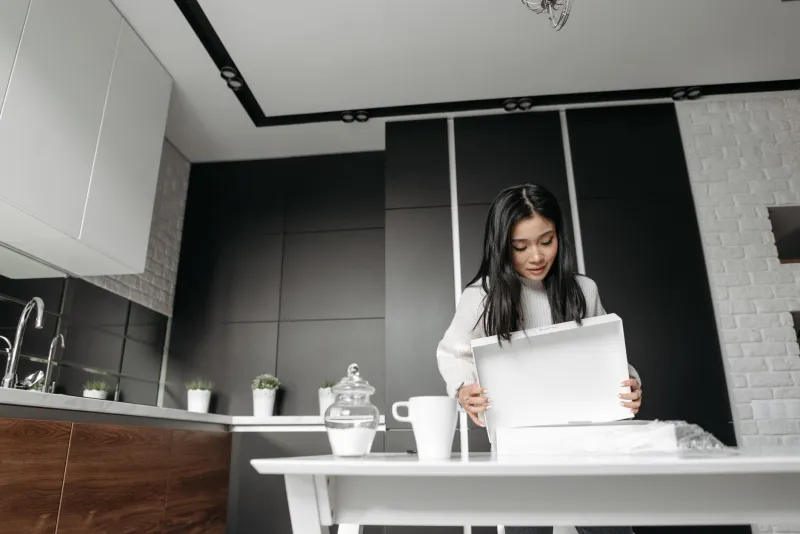
When Jessie Chen couldn't find a decent version of her family's Sichuan chili crisp outside of her mother's kitchen in Chengdu, she didn't open a restaurant. She launched a small-batch condiment brand out of her apartment in Chicago, started selling on Instagram, and within eight months had a waitlist of over 4,000 customers.
"A restaurant would have required $300,000 and a location I couldn't afford," Jessie says. "A DTC brand required a good recipe, a Shopify account, and the willingness to pack boxes at midnight."
Her brand, Wok & Wild, now ships nationally and has expanded into three SKUs. She's in conversations with two regional grocery chains. The margins aren't restaurant margins—they're better.
Jessie is part of a broader wave of Asian American founders who have recognized that the internet has fundamentally changed the food business. Direct-to-consumer platforms let them own their customer relationships, tell their stories authentically, and scale without the overhead of physical space. Shelf-stable products—sauces, spice blends, noodle kits, teas, snack foods—travel well and scale predictably in ways that a bowl of ramen simply cannot.
Ghost Kitchens as a Testing Ground
For founders whose food doesn't translate into a packaged product, ghost kitchens have opened up a genuinely new lane.
Thomas Bui runs three virtual restaurant concepts out of a single shared kitchen space in Atlanta. One concept does Vietnamese bánh mì, another focuses on Korean-inspired rice bowls, and a third—his most profitable—is a Filipino breakfast menu that does serious numbers on weekend mornings through DoorDash and Uber Eats.
"I can test a concept in a week," Thomas says. "If it doesn't work, I pull it and try something else. There's no lease to break, no staff to let go, no signage to replace."
The ghost kitchen model has been controversial in some circles—critics argue it's impersonal, that food loses something without a space and a story attached. Thomas doesn't entirely disagree. But he points out that for a first-generation entrepreneur without family capital to draw on, it's a way to build proof of concept before making a bet-the-house commitment.
"I'm building toward something physical eventually," he says. "But I'm doing it with data and cash flow, not just hope."
The Content-to-Commerce Pipeline
Some of the most interesting food businesses being built by Asian Americans right now don't look like food businesses at first glance. They look like media companies.
Charlotte Yoo started a YouTube channel in 2019 documenting her attempts to recreate her Korean grandmother's recipes from memory. Her channel, Halmoni's Kitchen, now has 1.2 million subscribers. She's monetized it in layers: ad revenue, brand partnerships, a self-published digital cookbook that sold 18,000 copies in its first month, and most recently, a line of Korean pantry staples that she sells through her own website.
"The audience came first, and the business followed," Charlotte explains. "I never had to convince anyone to trust me because they'd already been cooking with me for three years."
This content-first approach is increasingly common among Asian American food entrepreneurs who recognize that trust is the real currency in the food business. A restaurant earns trust through repeat visits over years. A content creator can earn it faster—and then convert it into commerce.
Culinary Consulting: The Invisible Business
There's another revenue stream that rarely gets talked about in profiles of food entrepreneurs: consulting.
Suma Krishnaswamy spent twelve years as a chef in fine dining restaurants in New York before pivoting to culinary consulting full-time. She now works with food brands, restaurant groups, and hotel chains to develop South Asian-inspired menus, train kitchen staff, and authenticate dishes that companies want to add to their offerings without getting it wrong.
"There's enormous demand from mainstream food businesses that want to serve Indian, Sri Lankan, Bangladeshi food but don't have the cultural fluency to do it well," Suma says. "I provide that fluency. And I charge accordingly."
Her client list includes a national fast-casual chain, two hotel groups, and a packaged food brand you'd recognize immediately. She works from home, sets her own hours, and earns more annually than she did running a kitchen.
What This Means for the Culture
These new models aren't just good for the entrepreneurs building them—they're doing something important for Asian food culture in America more broadly.
Traditional restaurants, for all their community value, often required Asian American chefs and owners to compromise. Dumb down the spice. Anglicize the menu. Make it approachable. The economics of a dining room full of unfamiliar customers created pressure to adapt.
A DTC brand selling to people who specifically sought out your chili crisp? A content channel built around your grandmother's authentic recipes? A consulting practice where your cultural expertise is the product? These models let founders lead with authenticity rather than accommodation.
"I don't have to explain what fermented shrimp paste is to keep my lights on," Jessie Chen says with a laugh. "My customers already know. That's why they found me."
The tables are optional now. The food, thankfully, is not.