Watch Parties, Wardrobes, and Win Rates: 7 Ways Asian American Fandom Is Running the Internet
Let's get one thing straight: fandom isn't a hobby anymore. It's an economy, a media pipeline, and in a lot of cases, a career path. And if you look at who's actually driving it — the watch clubs, the clip accounts, the esports orgs, the fan-translated novels that become Netflix deals — Asian American communities are running more of it than the mainstream gives them credit for.
Here's a breakdown of how it's happening.
1. The Watch Club Is the New Water Cooler
K-drama and C-drama watch clubs on Discord and Reddit have quietly become appointment viewing's last stand. When a new episode of a hit series drops, these communities don't just watch — they annotate, meme, translate, and theorize in real time. Studios have noticed. Some now seed screeners directly to fan moderators, treating a 40,000-member Discord like a press outlet. Because functionally, it is one.
2. Fan Translation Became a Launchpad
Some of the biggest Asian media imports in America started as unpaid fan projects. Fan-subbed shows, machine-assisted web novel translations, and lyric accounts built the audience before any licensing deal existed. A chunk of today's streaming acquisitions are basically formalizing demand that fandom already proved. That's not a niche — that's market research done for free.
3. Esports Is a Family Business Now
Asian American players have been staples of competitive gaming for two decades, but the shift is structural: more players are now org owners, coaches, and content entrepreneurs rather than just competitors. Second-generation families who once pushed medicine or law are increasingly okay with a kid running a gaming org — especially when that org pulls seven figures in sponsorship. The parental negotiation has changed, and so has the talent pipeline.
4. Clip Culture Made Creators Into Networks
The single most underrated force in streaming: the fan clipper. Asian American creators, particularly on Twitch and TikTok, have leveraged fan-run clip accounts into reach that no marketing budget could buy. A well-timed clip can turn a 200-view streamer into a headliner. Creators who understand this treat their fanbase as a distribution arm, not an audience.
5. Merch Economics Hit Different
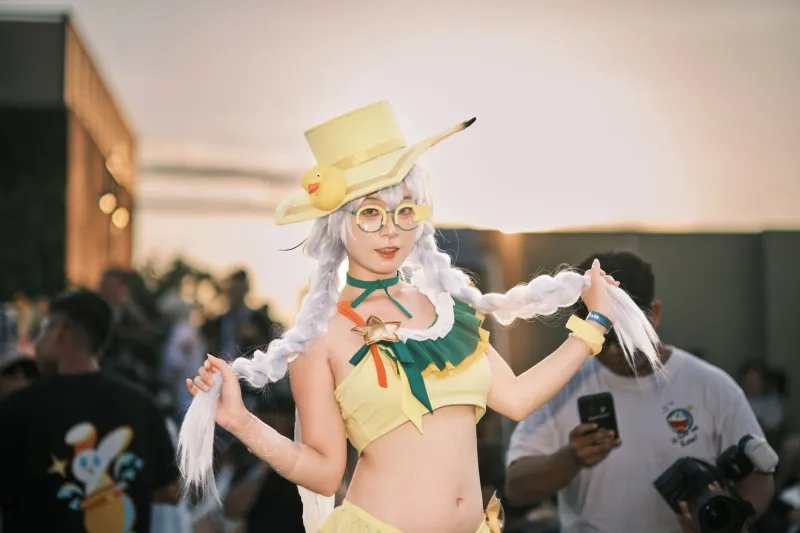
Fan-run merch — the photocard sleeves, the enamel pins, the idol-inspired streetwear — has become a legitimate small-business sector. At anime and K-pop conventions from LA to New Jersey, Asian American vendors report sell-out weekends that outpace their day jobs. What started as a table in Artist Alley is now an LLC with a drop schedule.
6. The Fandom-to-Industry Pipeline Is Real
Fans keep getting hired. Community managers, localizers, event organizers, and social teams at major studios increasingly come straight out of the fandoms themselves — people who learned audience dynamics running a fan account at 19. The résumé gap doesn't exist when your portfolio is a community you built from zero.
7. Offline Is Where the Power Shows
The clearest sign of cultural weight: conventions, night-market crossovers, and K-pop dance festivals filling real venues in real cities. Fandom that started in a browser tab now fills the Javits Center and drives hotel bookings. When a community can move people physically, advertisers, city boards, and networks all start returning calls.
The Takeaway
The internet didn't just give Asian American fandom a voice — it gave it leverage. And leverage, as anyone in entertainment will tell you, is the only currency that matters.