The Quiet Takeover of Aisle 7: Gochujang, Calamansi, and the New American Pantry
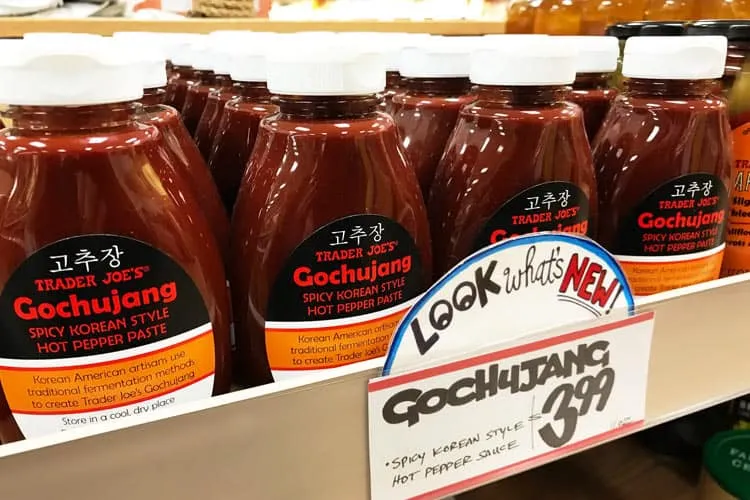
Photo: gochujang sambal asian sauce bottles grocery store shelf, via superfoodly.com
Ten years ago, finding gochujang meant a trip to a Korean market and a patient Hmart run. Today it's sitting between the ketchup and the ranch at a Kroger in Ohio. Calamansi juice has a spot at mainstream chains. Pandan shows up in lattes, cakes, and even a certain frozen dessert aisle. Somewhere in between, sambal oelek became a fridge staple for people who couldn't previously find Indonesia on a map.
This isn't a fusion moment. It's a supply chain story — and the people driving it are mostly Asian American.
The Founders Who Wouldn't Dilute
The old playbook for "ethnic" food in American grocery was blunt: sweeten it, mute it, slap a cartoon on it, and hope nobody asks too many questions. The founders changing that grew up eating the real thing and had zero interest in the watered-down version.
Their moves look different from the old playbook:
Direct sourcing. Small importers are building relationships with farmers in the Philippines, Thailand, and Vietnam rather than buying from consolidators — which means calamansi that actually tastes like calamansi, bright and sour with that floral edge.
Education on the label. Instead of hiding the ingredient, new brands lead with it. A jar of sambal explains what it is, where it's from, and three ways to use it. The assumption: customers are curious, not scared.
Restaurant-to-retail pipelines. A wave of brands started as the house chili crisp or sauce at a beloved restaurant, then got bottled. The credibility carried over to the shelf.
The result: an American pantry that's quietly more regional than generic. Not "Asian sauce" — but gochujang, doenjang, sambal, calamansi, pandan, each with its own identity.
Your Starter Shelf: What to Buy First
If you're standing in the aisle wondering where to begin, here's the honest ranking for a curious home cook:
1. Gochujang. Korean fermented chili paste. Sweet, spicy, funky. Stir it into mayo, glaze it on wings, or thin it with a little sesame oil and soy for the world's easiest sauce. Buy the tub, not the tube.
2. Calamansi juice. The Philippine citrus that tastes like lime's more interesting cousin — sour with a hint of mandarin. Squeeze over grilled meat, mix into a spritz, or add to a marinade. Frozen or bottled is fine; fresh is a treat.
3. Sambal oelek. Indonesian chili paste with no added sugar — just chilies, salt, vinegar. It's the clean heat that sriracha's sweetness can't give you. Spoon into noodles, eggs, fried rice.
4. Pandan. The vanilla of Southeast Asia, with a grassy, coconut-adjacent aroma. Start with pandan extract or frozen leaves if you can find them. It turns a box of white cake mix into something people will interrogate you about.
5. Doenjang. Korean soybean paste, deeper and earthier than miso. A spoonful makes any vegetable soup taste like it simmered all day.
How to Spot the Real Thing
Not every jar on the shelf earned its place. A few tells:
Read the first ingredients. Real gochujang lists chili, glutinous rice, and fermented soybean near the top. If sugar or corn syrup leads, you've got a condiment cosplaying as the real deal.
Check for the region. Authentic sambal is Indonesian; the best versions name the source. Calamansi should say Philippine calamansi, not "tropical citrus blend."
Beware the "Asian-inspired" wink. If the front of the bottle is doing a lot of explaining about how approachable it is, the flavor probably got sanded down to match.
Trust the neighborhood market. If a product is stocked at the local Vietnamese, Korean, or Filipino grocery, it passed the toughest test there is: people who grew up with it keep buying it.
Why This Moment Sticks
Food trends usually burn out — remember when everything was a cupcake? But this one feels structural. The buyers at major chains are increasingly Asian American themselves. The customer base that grew up on these flavors has kids and mortgages and weekly grocery runs. And the founders building these brands are playing a long game, not chasing a cycle.
The neighborhood market isn't going anywhere — it never needed saving. But for the first time, the mainstream shelf is starting to reflect what those markets always knew. Aisle 7 is just catching up.