Bought a Drink, Got a Living Room: How Boba Shops Became Generation Z's Real Community Centers
Here's an experiment: walk into any boba shop in a major American city on a Tuesday at 4 p.m. Count the laptops. Count the board games. Count the group of five teenagers who bought two drinks between them and have clearly been there for two hours.
What you're looking at isn't just a business. It's the last functioning third place a whole generation has.
The Third Place Went Extinct. Boba Moved In.
Sociologists used to talk about "third places" — the spots that aren't home and aren't work or school, where community actually happens. The barbershop. The diner. The mall, for Gen X. But those institutions have been collapsing for decades: malls died, libraries cut hours, and the classic Asian American community center — church basements, temple halls, language school on Saturdays — stopped reaching a generation that doesn't organize its social life around institutions.
The boba shop filled the gap almost by accident. It had everything the old third places had, plus things they never did: Wi-Fi, air conditioning, no time limit, and a drink as a socially acceptable cover charge. You don't need to buy a meal. You don't need to be 21. You don't need to explain yourself to anyone. You just need $6.50 and somewhere to be.
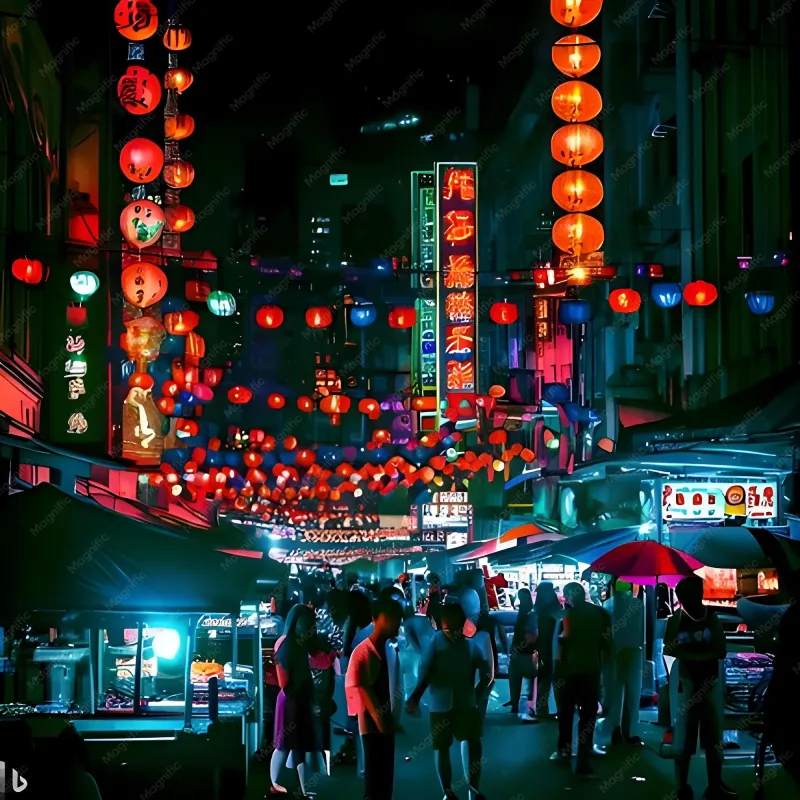
For Asian American teens and twenty-somethings especially, the shop does something subtler than convenience. It's one of the few public spaces where the default is us — where the music, the snacks, the Lunar New Year decorations in February, and the aunties behind the counter don't require translation.
The Economics of Hanging Out
Run the numbers on the boba boom and the picture gets interesting. Drinks carry fat margins; tea, sugar, and tapioca are cheap. The real product, though, is dwell time — and boba shops are built to maximize it. Small kitchens, minimal table service, long hours, and a menu engineered for repeat visits (there's always a new seasonal special) turn a $6 ticket into a two-hour stay.
Smart operators figured out that the hangout is the business model. That's why the best shops host it all: K-pop watch parties, mahjong nights, origami workshops, zine fairs, study nights during finals season where a drink gets you unlimited seating. Some shops in the San Gabriel Valley and NYC's Flushing have essentially become multi-purpose venues with a beverage menu attached.
The chains noticed too — and this is where the story gets complicated.
When Belonging Has a Cover Charge
Let's be honest about the trade. A third place that requires a purchase is not a public good. It's a private business doing the work the public sector abandoned, and the difference shows.
For a kid with $7 of disposable income, the boba shop works. For the kid who can't buy anything, the barista's patience has a limit, and everyone in the shop knows the unwritten rule: camping requires a cup. That's a gentler gate than a bar's age limit or a café's laptop policy, but it's a gate.
There's also the churn problem. The same market forces that made boba ubiquitous — low startup costs, franchise-ability, Instagram-ready aesthetics — mean shops open and close at a dizzying rate. The study spot that held your friend group together junior year can be a phone-accessory kiosk by senior year. A third place you can lose to a lease isn't quite a third place yet; it's a third place with an eviction notice.
And the chains, with their app loyalty programs and standardized playlists, offer the drink without the village. A boba shop with a community is irreplaceable. A boba shop with a rewards program is just a transaction with chairs.
What We Should Actually Learn From This
The boba boom is usually covered as a food trend — new flavors, new chains, brown sugar this and cheese foam that. That framing misses the point. Boba shops didn't win because the drink is transcendent. They won because every other option for free(ish) human gathering in America got priced out, defunded, or shut down.
So the real takeaway isn't "open a boba shop." It's that communities — especially young, immigrant, and second-generation communities — are starving for spaces that ask almost nothing of them. Cities that want thriving neighborhoods should study what boba shops accidentally got right: long hours, low cost, no dress code, and a reason to come back tomorrow.
Until then, the laptops stay open, the tapioca keeps boiling, and a generation keeps building its social world one large, half-sweet, extra-ice at a time.
Minimum purchase required. Belonging included — while supplies last.